Artificial intelligence has changed the pace of professional work. Research that once took an afternoon now takes minutes. Analysis, drafting, summarizing and status reporting are moving faster than most teams have adjusted to.
Speed is easy to see. Judgment is much harder to see.
On the surface, AI appears to reduce the need for professional development. If a tool can produce the analysis, the reasoning goes, the professional needs to know less. The deeper reality runs in the opposite direction. AI can generate information, but someone still has to decide whether that information is accurate, relevant and appropriate for the situation in front of them. A tool can support a decision. It cannot carry responsibility for the outcome.
As AI moves further into daily work, the value of deliberate professional development rises with it.
AI Changes the Work. The Responsibility Remains.
Organizations still need professionals who can define a problem before solving it, evaluate risk, understand business priorities, communicate with stakeholders and exercise judgment when the answer is uncertain. AI changes how much of that work gets performed. The work itself remains.
In many cases, the standard rises. When information can be produced instantly, the scarce capability shifts toward the person who can ask a better question, recognize a weak assumption and notice when a confident output rests on an incomplete picture of the situation.
This is where a new operational blind spot begins to form. Output volume increases and reports arrive faster, often polished enough that no one questions how they were produced. The surface activity signals progress while the quality of interpretation underneath goes unexamined. Speed creates the appearance of capability. Capability still has to be built.
The Real Barrier Is Time
Most professionals already understand that continued development matters. Knowing it rarely changes the calendar.
Projects, deadlines, meetings, family responsibilities and everything else competing for attention leave development in whatever space remains, and very little space usually remains. Growth starts to feel like a second job, so it gets deferred to a quieter quarter that never quite arrives.
The assumption underneath that pattern deserves a closer look. Professional growth is often treated as something that requires hundreds of hours, a full program or a major credential. That assumption keeps many capable people waiting for conditions that will not appear on their own.
What could you accomplish with 60?
Sixty hours across a full year is five hours a month, less than 1% of your year. Used with intention, that time is enough to identify the capabilities most relevant to your work and invest in them deliberately, instead of absorbing whatever information happens to cross your screen.
From Learning to Evidence
Completed courses and certificates are records of activity. They show that time was spent. They say very little about whether anything changed.
The more useful test is evidence in the work itself. Are you asking better questions? Are you identifying risks earlier? Are your recommendations more credible to the people who have to act on them? Has something in how you lead shifted because of what you learned?
The cycle that produces that evidence is straightforward: learn, reflect, apply and repeat. Information becomes capability only after it has moved through all four steps, and most development efforts end after the first.
Take a Look Inside Your 60
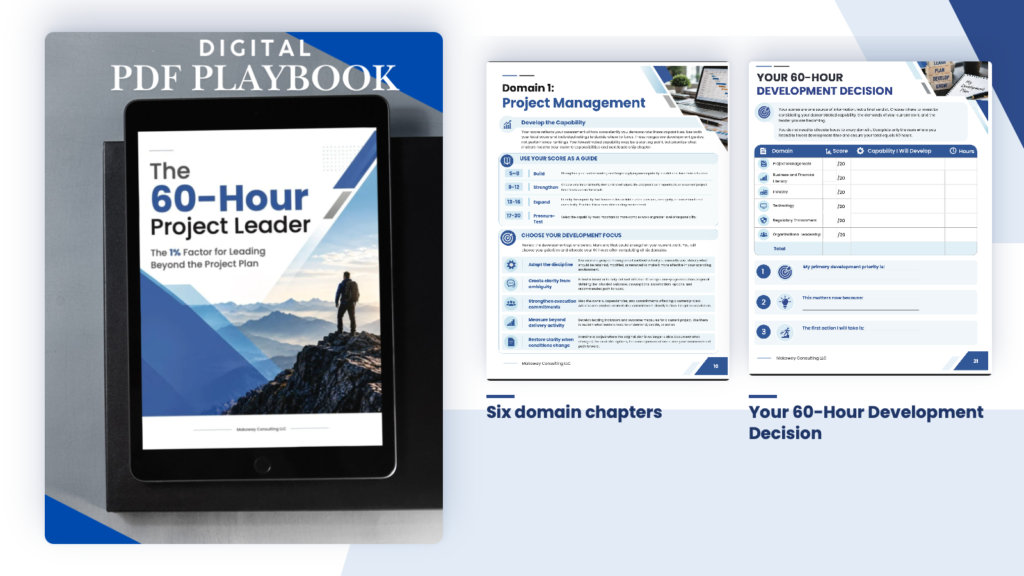
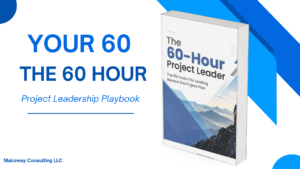
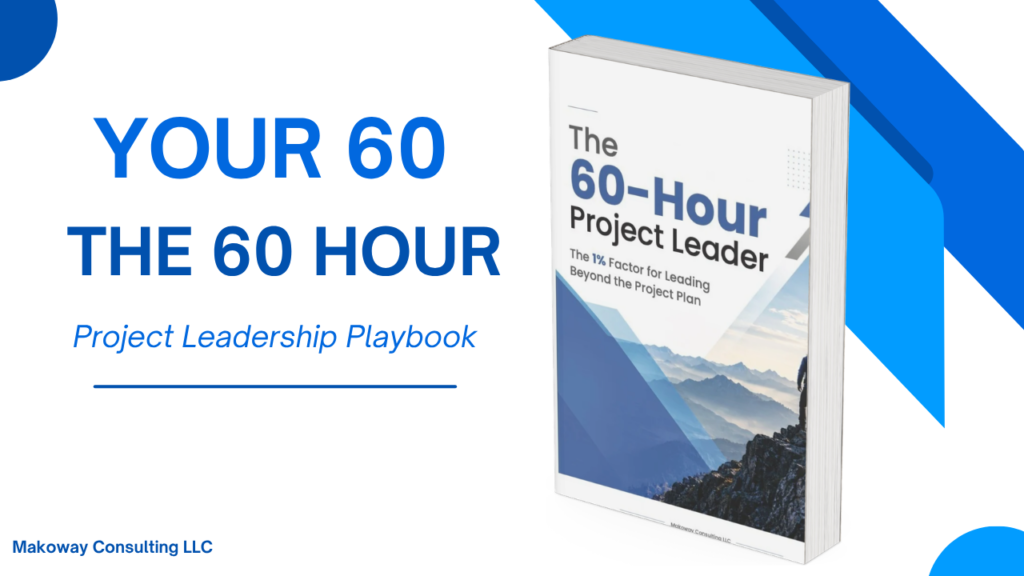
The Your 60 Project Leadership Playbook helps professionals assess their capabilities across the six domains and turn that assessment into a focused annual development plan.
Click the link below to Explore Your 60!