Case studies

Real Examples of execution breakdowns and strategy to fix

Case studies

Turning Strategy Into Measurable Results in a Complex Product Environment

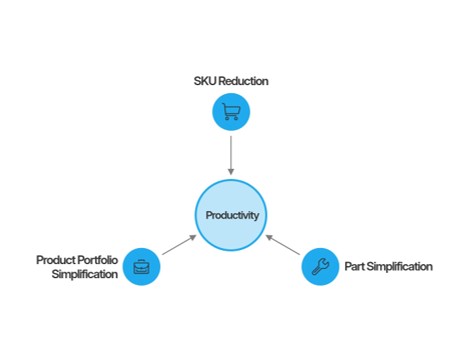
A built organization (HVAC) launched a major initiative to transform its product portfolio through modular and configurable design. This is commonly known as product platforming.
  • In reducing complexity of the portfolio, an estimated of $390M in savings over five years wastobe generated with this new initiative.
  • Year one target savings: $15M

Where Execution Broke Down

  • The strategy was defined.
  • The targets were set.
  • But execution of how to achieve the savings was unclear.
  • Leaders across the business did not have a shared understanding of how to execute the target.
  • Different teams were interpreting what counted as savings differently.
  • Some of the productivity leaders treated the ideas as hard savings.
  • Other productivity leaders treated similar ideas as soft savings.
  • With differences of opinion this mean’t justification of the platform savings was not consistent across the organization.
  • Alignment across the business started to break down.
  • Work was happening, but not in a way that consistently moved toward the target.

The Intervention

The issue was clarity.A structured platform productivity playbook was developed to define the following:

This was followed by focused training across each business unit to align execution with the productivity leaders.

The Outcome

Insight

Corporate strategic initiatives require a unified approach, when definitions of the why, what, and how are not shared and understood across all stakeholders, execution slows down ultimately impacting the bottom line.

Removing Execution Friction in a Production Process

In an industrial coatings operation (Powder Paint), production batches occasionally became contaminated and had to be removed mid-process.

This required a drop out procedure to remove material safely.

What Execution Looked Like

  • The process relied on a manual workaround.
  • Operators used a trash bag to catch material as it flowed out from the hopper.
  • The workaround worked, but was not controlled.
  • Material was lost.
  • Handling took time
  • Execution varied depending on the operator.

Where Execution Broke Down

There was no clear, repeatable way to handle the process.

So operators improvised. This directly impacting production uptime.

The Intervention:

  • The focus was on simplifying the process.
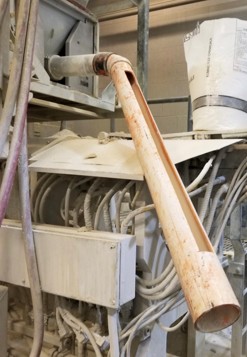
  • A drop-out tube was designed to create a more controlled and repeatable method.
  • This replaced the manual workaround with a cleaner, more consistent approach.

The Outcome

  • The process became faster and easier to execute.
  • Material loss was reduced.
  • Handling became more consistent across operators.
  • Downtime during the process was minimized.

Insight

The solution should match the current environment its being implemented. Execution doesn’t fail in big moments. It fails in small, repeated breakdowns that compound over time like this